DWP Benefit Payments Refund Code: Meaning, Why You Got It, and How to Verify It Safely
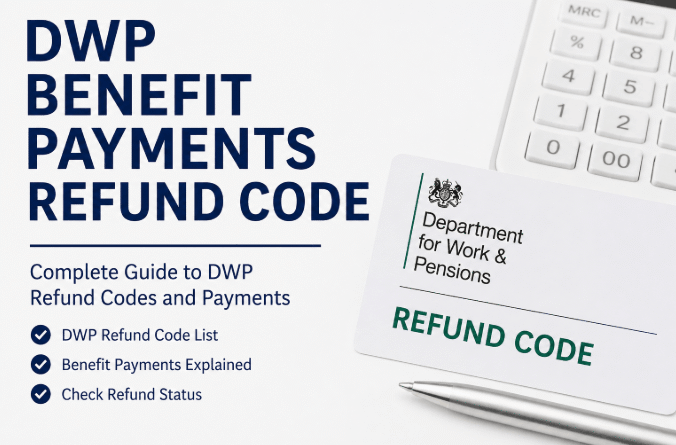
A DWP benefit payments refund code, displayed as “DWP RFD” on a UK bank statement, means the Department for Work and Pensions has issued an automatic refund or correction payment into a claimant’s account. RFD stands for Refund.
The payment is legitimate, requires no action from the claimant, and reflects a correction to a previous benefit entitlement. Figures confirmed as of June 2026 via GOV.UK.
Key Takeaways
- DWP RFD stands for Department for Work and Pensions Refund. It is money paid to the claimant, not money owed back.
- Genuine DWP refund payments arrive automatically and are always recorded in the claimant’s UC journal or benefit payment log.
- The DWP will never send a text, email, or phone call asking a claimant to confirm or claim a refund payment.
What Does DWP RFD Mean on a Bank Statement?
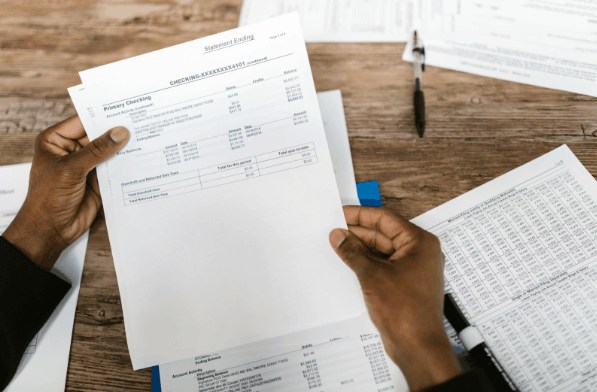
RFD stands for Refund. UK Faster Payments references are capped at 18 characters, which is too short to display ‘Department for Work and Pensions Refund’ in full. The abbreviated code is what the payment system produces by default.
The full reference string a claimant sees is their National Insurance number followed by DWP RFD. The NINO prefix confirms the payment came from the claimant’s own DWP record rather than a generic system transfer.
The reference breaks down as follows:
- The National Insurance number prefix confirms the payment is linked to a specific claimant record.
- DWP RFD: identifies the paying body and transaction type.
- Sort code 60 70 80: the DWP’s standard sort code for most benefit payments.
- Display format varies by bank: Barclays and HSBC show the reference as a single string; Monzo and Starling separate the elements into distinct fields.
Why Has the DWP Issued a Refund Payment?
An unexpected DWP payment labelled RFD arises from four main causes, none of which require the claimant to have applied or requested anything. The Department for Work and Pensions identifies the underpayment or correction internally and issues the payment automatically.
The most common causes are:
- Benefit underpayment correction: the DWP identified that previous payments were below the claimant’s legal entitlement, often due to official processing errors or delayed updates to personal circumstances
- Backdated entitlement: a successful appeal, tribunal decision, or reassessment outcome results in a lump sum covering the underpaid period
- Hardship payment reclassification: payments previously recorded as recoverable loans are reclassified as non-recoverable and returned to the claimant
- Managed migration adjustment: claimants moving from legacy benefits to Universal Credit sometimes receive a DWP underpayment refund where the migration calculation identifies a shortfall in the transition period
According to GOV.UK, the total benefit underpayment rate in the Financial Year Ending 2026 was 0.4%, representing approximately £1.2 billion in corrections paid out across all DWP benefits. Universal Credit and Employment and Support Allowance account for the largest individual shares of those corrections.
The Legal Entitlements and Administrative Practice correction exercise, known as LEAP, concluded in April 2025 having identified 130,948 State Pension underpayments worth £804.7 million.
A separate Home Responsibilities Protection exercise, run jointly by DWP and HMRC, continues to process cases. Arrears from either programme arrive as a DWP benefit payments refund code on the claimant’s statement.
Which Benefits Can Trigger a DWP RFD Payment?
Universal Credit, Employment and Support Allowance, Personal Independence Payment, Jobseeker’s Allowance, and Pension Credit can all generate a DWP RFD transaction.
| Benefit | Common RFD Trigger | Notes |
|---|---|---|
| Universal Credit | Assessment period error, managed migration shortfall | Most frequent source of RFD payments due to monthly reassessment cycle |
| Employment and Support Allowance | LEAP correction, premium miscalculation | Legacy benefit; underpayments often identified during DWP reviews |
| Personal Independence Payment | Tribunal award, reassessment outcome | Backdated payments can cover multiple years |
| Jobseeker’s Allowance | Sanction reversal, calculation error | Less common; JSA caseload has reduced significantly since UC rollout |
| Pension Credit | Entitlement review, delayed eligibility decision | HRP correction exercise commonly triggers Pension Credit arrears |
| Carer’s Allowance | Late entitlement recognition, earnings recalculation | Refunds typically follow a change in the person being cared for’s benefit status |
Universal Credit is the most frequent source of DWP bank statement codes carrying the RFD reference. Its monthly reassessment cycle means even small changes in income, household composition, or reported circumstances can leave a claimant underpaid for a period. When the DWP identifies that gap, the correction arrives as an automated repayment coded RFD on the claimant’s statement.
How to Verify a DWP Benefit Payments Refund Code?
Genuine DWP refunds require no action from the claimant to receive them. Confirming the payment is genuine takes three steps, all through official DWP channels.
A genuine DWP benefit payments refund code will always have a corresponding entry in the claimant’s Universal Credit journal or legacy benefit payment history. If the payment appears in the bank account but no journal entry exists, the claimant should call the DWP helpline directly before taking any further action.
To verify a DWP RFD payment:
- Log in to the Universal Credit account at gov.uk using GOV.UK One Login credentials and navigate to the Payments section. A payment history entry will show the amount, date, and reason for any refund issued in the current claim period.
- Check the journal section for a message from a DWP case manager. For significant corrections such as LEAP or HRP arrears, a journal note is usually added before or shortly after the payment is made.
- Call the DWP helpline on 0800 328 5644 (Universal Credit) if no payment history entry or journal message can be found. Provide the payment date and amount. A case manager can confirm the source and reason within the call.
Legacy benefit claimants not on Universal Credit should check their benefit payment schedule online or contact the relevant DWP helpline for their benefit type.
Legacy benefit claimants not on Universal Credit should check their payment schedule online or call the relevant DWP helpline. The same confirmation process applies regardless of which benefit generated the RFD code.

Is a DWP RFD Payment a Scam?
A genuine DWP benefit payments refund code arrives silently. No text message, email, or phone call precedes it. Any unsolicited contact asking a claimant to confirm, claim, return, or verify a DWP refund payment is fraudulent without exception.
According to GOV.UK, the DWP will never ask for bank details via text message. This applies equally to refund payments. The DWP does not notify claimants of incoming refunds through unofficial channels, and no action is required from the claimant to receive a legitimate payment.
The DWP will never:
- Send a text or email asking a claimant to click a link to claim a refund
- Ask for bank account details to process a refund payment
- Request that money be returned immediately to an unfamiliar account
- Contact a claimant by phone to confirm a National Insurance number before releasing a payment
Suspicious messages should be reported to Action Fraud UK on 0300 123 2040 or via actionfraud.police.uk. Claimants who have already responded to a suspicious message should contact their bank immediately using the number on the back of their card.
The Public Authorities (Fraud, Error and Recovery) Act 2025 granted the DWP new data matching powers to cross reference bank account data with benefit records. Fraudsters have exploited awareness of this legislation to send fake compliance notices claiming claimants must verify their accounts.
These messages are scams. The DWP issues all genuine compliance communications through the UC journal or by post to the claimant’s registered address.
Widely circulated claim: A previously ranking article attributed the 2025 rise in DWP RFD payments to a Real Time Information RTI system glitch, cited unnamed DWP insiders, and quoted an unverifiable welfare rights advocate. That article has since been removed from Google.
Correct position: GOV.UK confirms DWP underpayment refunds arise from official error corrections, the completed LEAP exercise, the ongoing HRP correction exercise, and managed migration adjustments. No RTI glitch has been acknowledged in any DWP official publication.
Sources: GOV.UK, Fraud and Error in the Benefit System FYE 2025; LEAP exercise progress to 31 March 2025; DWP Annual Report and Accounts 2024 to 2025.
Conclusion
A DWP benefit payments refund code on a bank statement confirms the Department for Work and Pensions has corrected a previous underpayment automatically. No application is needed to receive it. Verify through the UC journal or GOV.UK and report any unsolicited contact to Action Fraud immediately.
For UK claimants in 2026, a DWP benefit payments refund code is confirmation that the system has corrected what was owed and paid it directly into the registered account.
FAQ
Is a DWP RFD Payment Genuine?
Yes. In the vast majority of cases a DWP RFD bank statement entry is a legitimate government payment. Verify it by checking the UC journal or payment history on GOV.UK. If no entry exists, call the DWP helpline before drawing any conclusions.
Can a Claimant Keep an Unexpected DWP RFD Payment?
Yes. A DWP underpayment refund belongs to the claimant. It corrects money that should have been paid in a prior period. Claimants do not need to declare it as new income for Universal Credit purposes if it relates to a previous UC underpayment.
What Should Be Done If No Journal Entry Matches the DWP RFD Payment?
Contact the DWP helpline on 0800 328 5644 with the payment date and amount. A case manager can confirm the source within the call. Do not return the payment to any account without official DWP written confirmation.
Does a DWP RFD Payment Affect Ongoing Benefit Payments?
No. A DWP refund Universal Credit payment does not reduce or delay future payments. It is a standalone correction that sits outside the regular assessment period calculation unless the DWP specifies otherwise in the claimant’s journal.
Disclaimer: This article is for informational purposes only; always verify unexpected bank transactions directly through your official GOV.UK journal or by contacting the DWP helpline.