Child Benefit Payment Dates 2026: Bank Holiday Shifts, UK Regional Rules, and New Rates
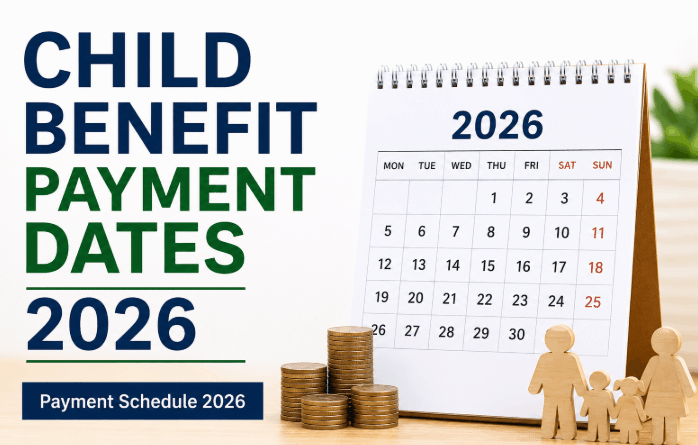
Child Benefit payment dates 2026 follow HMRC’s four weekly cycle, with payments due on a Monday or Tuesday shifted earlier whenever they land on a UK bank holiday. Scotland and Northern Ireland have extra regional shift dates. Rates rose to £27.05 and £17.90 a week from April 2026 for the 2026/27 tax year.
Key Takeaways
- Child Benefit is paid every four weeks, not monthly, giving thirteen payments a year rather than twelve.
- The weekly rate is £27.05 for the eldest or only child and £17.90 for each additional child from April 2026.
- Payments due on a bank holiday move to the last working day before it, with the Spring Bank Holiday shift landing on 22 May 2026, not 24 May as several sources report.
Child Benefit Payment Dates 2026: What Date Will You Be Paid?
Child Benefit is paid every four weeks by HM Revenue and Customs, landing on the same day of the week each cycle, usually a Monday or Tuesday depending on when the original claim began. Once fixed, this four weekly cycle repeats every 28 days.
Because 52 weeks divides into thirteen 28 day blocks rather than twelve calendar months, most claimants receive thirteen payments a year.
The extra payment falls in whichever month the cycle happens to produce two dates. Working out four weeks from your last payment is the simplest way to predict the next one. HMRC moves a payment earlier, never later, whenever the scheduled date falls on a bank holiday.
This is a processing decision rather than a courtesy: payment files are submitted to the banking system several working days ahead, so shifting forward avoids the payment landing on a day banks cannot process it.
Regional variations for Scotland and Northern Ireland are covered in their own sections below. Child Benefit’s four weekly cycle is separate from the Universal Credit child element, which is assessed monthly under different DWP rules, so the two payments rarely fall on the same schedule even for the same family.
Child Benefit Bank Holiday Payment Shifts 2026 (England and Wales)
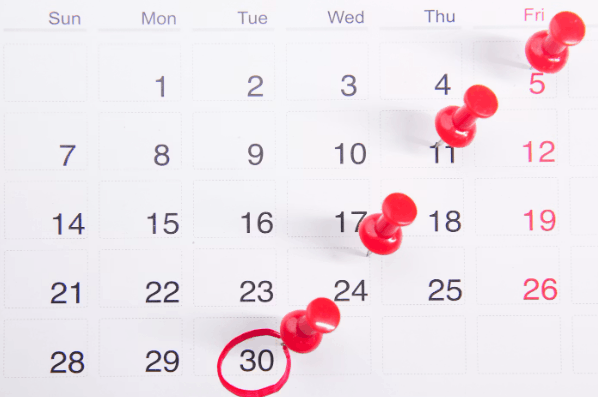
Five bank holidays recognised under the Banking and Financial Dealings Act 1971 move Child Benefit payment dates in 2026 for claimants in England and Wales. Each shift brings the payment forward to the last working day before the holiday, never afterward.
| Scheduled Payment Date | Bank Holiday | Adjusted Payment Date |
|---|---|---|
| Monday 6 April 2026 | Easter Monday | Thursday 2 April 2026 |
| Monday 4 May 2026 | Early May Bank Holiday | Friday 1 May 2026 |
| Monday 25 May 2026 | Spring Bank Holiday | Friday 22 May 2026 |
| Monday 31 August 2026 | Summer Bank Holiday | Friday 28 August 2026 |
| Monday 28 December 2026 | Boxing Day (substitute) | Thursday 24 December 2026 |
Only claimants whose 28 day cycle falls on one of these five dates will see a change, everyone else is paid on the usual date that month.
Why the Spring Bank Holiday Date Is Widely Reported Wrong?
Several published guides state that the payment due on 25 May 2026 moves to 24 May. That date is incorrect.
Widely circulated claim: the Spring Bank Holiday shift lands on 24 May 2026.
Correct position: GOV.UK’s own Child Benefit bank holiday table confirms the adjusted date is Friday 22 May 2026, three working days early rather than one.
Source: GOV.UK, Child Benefit payment dates (bank holidays), corroborated independently by Social Security Scotland’s published payment calendar for its own devolved benefits.
Claimants who budget around 24 May risk expecting their payment a day later than it will actually land.
Child Benefit Payment Dates 2026 for Scotland
Scotland carries two additional bank holiday adjustments that do not apply in England or Wales, on top of the five UK wide shifts already covered above.
- Monday 5 January 2026, adjusted to Tuesday 6 January 2026
- Monday 3 August 2026, adjusted to Tuesday 4 August 2026
- Tuesday 4 August 2026, adjusted to Wednesday 5 August 2026
Child Benefit remains a reserved benefit administered by HMRC under Westminster rules, even though welfare powers over many other payments were devolved under the Scotland Act 1998.
Social Security Scotland runs separate benefits such as the Scottish Child Payment, which follow their own bank holiday calendar and should not be confused with Child Benefit’s schedule.

The 15 June 2026 World Cup Bank Holiday: What It Means for Your Payment
Scotland has a one off bank holiday on Monday 15 June 2026, granted by Royal Proclamation to mark the national team’s return to the FIFA World Cup. This holiday was confirmed in February 2026, under the same Banking and Financial Dealings Act 1971 that governs the UK’s regular bank holidays.
At the time of writing, GOV.UK’s Child Benefit bank holiday table does not list 15 June 2026 as an adjustment date. That’s not confirmation payments will arrive as scheduled, it simply reflects that the guidance hasn’t caught up with this new holiday yet.
Claimants in Scotland whose payment is due on 15 June should check their HMRC online account close to the date, or contact HMRC directly, rather than assume either outcome. One off holidays like this are often the last to be reflected in official guidance.
Child Benefit Payment Dates 2026 for Northern Ireland
Northern Ireland has two bank holidays unique to the region, in addition to the five UK wide shift dates, moving Child Benefit payments earlier on several occasions in 2026.
- Tuesday 17 March 2026 (St Patrick’s Day) — paid Wednesday 18 March 2026
- Monday 6 April 2026 (Easter Monday) — paid Thursday 2 April 2026
- Monday 4 May 2026 (Early May Bank Holiday) — paid Friday 1 May 2026
- Monday 25 May 2026 (Spring Bank Holiday) — paid Friday 22 May 2026
- Monday 13 July 2026 (Battle of the Boyne, substitute) — paid Tuesday 14 July 2026
- Tuesday 14 July 2026 — paid Wednesday 15 July 2026
- Monday 31 August 2026 (Summer Bank Holiday) — paid Friday 28 August 2026
- Monday 28 December 2026 (Boxing Day, substitute) — paid Thursday 24 December 2026
St Patrick’s Day and the Battle of the Boyne substitute holiday are the two adjustments specific to Northern Ireland. The remaining six dates mirror the wider UK schedule already covered above.
Child Benefit Rates 2026/27: How Much You Are Paid
The weekly Child Benefit rate rose to £27.05 for the eldest or only child and £17.90 for each additional child from April 2026, confirmed by HMRC for the 2026/27 tax year using the Consumer Prices Index uprating figure.
| Number of Children | Weekly Rate | Four Weekly Payment | Annual Total |
|---|---|---|---|
| 1 child | £27.05 | £108.20 | £1,406.60 |
| 2 children | £44.95 | £179.80 | £2,337.40 |
| 3 children | £62.85 | £251.40 | £3,268.20 |
It’s the latest in HMRC’s annual uprating of the weekly rate. The eldest or only child rate and the additional child rate always rise by the same proportion in a given year.
The High Income Child Benefit Charge applies when one partner in a household earns above £60,000 a year, reducing the benefit gradually until it is fully withdrawn at £80,000.
Families can still claim Child Benefit above this threshold purely to protect National Insurance credits, even if the charge cancels out the payment in cash terms.
Higher earning households deciding whether to keep claiming in cash terms should check how the high income child benefit charge is calculated first.
How to Check Your Next Child Benefit Payment Date?
You can find your exact Child Benefit payment date in several ways, without needing to calculate the 28 day cycle manually.
- Check the HMRC online account or the HMRC app under your Child Benefit record
- Look for the Child Benefit payment reference on your bank statement to confirm past payment dates
- Add 28 days to your last payment date, adjusting for any bank holiday shift covered above
- Review your original award letter, which states your fixed payment day of the week
If you are a single parent, or receiving Income Support, income based Jobseeker’s Allowance, income related Employment and Support Allowance, or Pension Credit, you may also be able to request weekly Child Benefit payments instead of the four weekly default.
This option isn’t applied automatically. It must be requested through the HMRC app, your Government Gateway account, or by phone, and the annual total received stays identical either way.

What to Do If Your Child Benefit Payment Is Late?
Check the expected date before assuming a payment is missing, since bank holidays can move it earlier than usual.
- Confirm the correct date by adding 28 days to your last payment and checking it against the bank holiday tables above.
- Search your bank statement for the reference marked Child Benefit, since some payments clear before midday.
- Contact your bank if nothing has arrived by midday on the expected date, to check for a pending transfer.
- Contact the Child Benefit Office on 0300 200 3100 if your bank confirms no payment has been received, so a backdated payment can be arranged if HMRC agrees a delay occurred.
Why Your Child Benefit Payment Might Change or Stop?
Child Benefit stops automatically once a child turns 20, or earlier at 16 if they leave approved education or training without moving into a qualifying course. HMRC applies this using fixed quarterly cut off dates through the year, so payments do not always end exactly on a birthday.
Some households choose to stop cash payments deliberately, usually because the higher earner faces a full High Income Child Benefit Charge repayment. Opting out through GOV.UK stops the payment itself while keeping the underlying claim active, which protects State Pension National Insurance credits.
Parents whose teenager is approaching this stage often want a clearer picture of when does Child Benefit stop and which courses still count as approved education, since the rules aren’t as simple as turning eighteen. Reporting any change promptly avoids an overpayment being clawed back later.
Conclusion
Child Benefit follows a predictable four weekly cycle in 2026, shifted earlier only when a bank holiday intervenes. Scotland and Northern Ireland carry regional shifts of their own, and Scotland’s new June World Cup holiday remains unconfirmed by HMRC at the time of writing. For UK families, that means a reliable, if occasionally holiday sensitive, payment schedule throughout the year.
FAQ
Has the Child Benefit rate increased for 2026/27?
Yes. The weekly rate rose to £27.05 for the eldest or only child and £17.90 for each additional child from April 2026, reflecting HMRC’s annual uprating against the Consumer Prices Index. The change applied automatically to existing claims without a new application.
How much is the current Child Benefit payment?
£108.20 every four weeks for one child, based on the £27.05 weekly rate confirmed for 2026/27. A second child adds £71.60 every four weeks, taking the total to £179.80. Rates are set nationally and do not vary by region.
How do I check my Child Benefit payment status?
Status and payment history are both visible through the HMRC online account or the HMRC app. Sign in with a Government Gateway user ID and select the Child Benefit record to view upcoming and past payments. The same account allows changes to be reported.
Will my Child Benefit payment date change in May 2026?
Yes, for claimants whose 28 day cycle falls on one of two dates. In 2026, the 4 May payment shifts to 1 May, and the 25 May payment shifts to 22 May, not 24 May, as some guides state. GOV.UK’s published schedule confirms both.
Is there a bank holiday affecting Child Benefit in June 2026 for Scotland?
Yes, for the first time in 2026. A one off bank holiday falls on 15 June to mark Scotland’s return to the FIFA World Cup, and GOV.UK had not yet confirmed a Child Benefit payment adjustment for it. Scottish claimants due a payment that day should check their HMRC online account nearer the date.
This article reflects Child Benefit rates and bank holiday guidance confirmed by GOV.UK and HMRC at the time of writing. Always check your exact payment date through your HMRC online account.