New State Pension Being Unfair to Existing Pensioners? 2026 Truth Exposed
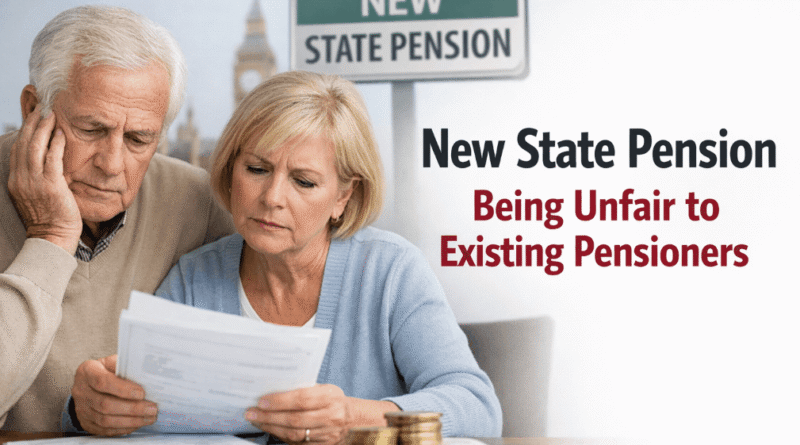
The ongoing debate regarding the new state pension being unfair to existing pensioners has reached a boiling point in 2026, as the pension divide between those who retired before and after April 2016 continues to widen.
For millions of UK retirees on the older Basic system, the latest Triple Lock increases have served as a painful reminder that their lifetime of National Insurance contributions is being valued significantly less than those of younger generations, creating a two-tier society of retirees living side-by-side on vastly different incomes.
Key Takeaways:
- Widening Income Gap: As of April 2026, the annual difference between the full New State Pension and the Basic State Pension has reached nearly £2,933, creating a significant two-tier retirement landscape.
- The Triple Lock Disparity: Because the 4.8% Triple Lock increase is percentage-based, it provides a larger cash uplift to those on the New system (+£574.60) compared to those on the Old system (+£439.40), causing the gap to grow every year.
- The 2026 Tax Trap: The New State Pension (£12,547.60) is now just £22.40 away from the frozen £12,570 tax-free Personal Allowance, meaning almost any additional income will now trigger a tax bill for retirees.
- Structural Inequality: Existing pensioners argue the system is inherently unfair because it values 30+ years of National Insurance contributions at a lower rate than those who reached retirement age after 6 April 2016.
- Frozen Benefits: Over 450,000 UK pensioners living overseas (in countries like Australia and Canada) receive no annual increases at all, seeing their purchasing power diminish as inflation rises.
Is the New State Pension Unfair to Existing Pensioners?
At its core, the system feels fundamentally broken to those on the wrong side of the 6 April 2016 divide. The New State Pension is widely considered unfair to existing pensioners because it tethers your financial security to an arbitrary retirement date, rather than your decades of National Insurance contributions.
In the 2026/27 tax year, those on the New system receive up to £241.30 per week, while those on the Old system receive a basic rate of just £184.90. This discrepancy is further widened by Triple Lock percentage increases, which provide larger cash uplifts to those already receiving higher payments.
| Pension Type | Weekly Rate (2026/27) | Annual Income | Annual Increase (4.8%) |
| New State Pension | £241.30 | £12,547.60 | +£574.60 |
| Basic State Pension | £184.90 | £9,614.80 | +£439.40 |
| The Income Gap | £56.40 | £2,932.80 | £135.20 extra to New |

Why the New State Pension Being Unfair to Existing Pensioners is Trending
The surge in online searches and social media debate isn’t just noise; it’s a reflection of a widening financial chasm. As we enter the 2026/27 tax year, the sheer scale of the cash disparity has forced the ‘pensioner poverty’ conversation back into the national spotlight.
- The £575 vs. £440 Gap: When the 4.8% Triple Lock increase was applied in April 2026, New pensioners saw their annual income jump by £575, while Old pensioners received only £440 more. This percentage trap means the cash gap between the two groups grows larger every single year.
- The Visibility of the Disparity: We have now reached a point where the full New State Pension is £12,547.60 a year, while the Basic State Pension is only £9,614.80. A difference of nearly £3,000 for people who often worked the same number of years is a powerful driver for online trending.
What is the New State Pension?
To grasp why the current resentment is so deep-seated, one must look at the mechanics of the post-2016 system. Introduced on 6 April 2016, the New State Pension was intended to simplify a complex web of top-ups and additional earnings-related tiers (like SERPS).
- The Threshold: If you reached State Pension age on or after 6 April 2016, you are on the New system.
- The 2026 Rates: The full rate is £241.30 per week, requiring 35 qualifying years of National Insurance (NI) contributions.
- The Clean Break: The government intended this to be a flat rate to eventually reduce the need for means-tested benefits, but it created an immediate cliff edge for those who retired just days earlier.
Why Existing Pensioners are Treated Unfairly
For those who retired before April 2016, the current setup feels like a betrayal of the social contract. Here are the primary reasons why existing pensioners are treated unfairly:
The Qualifying Year Double Standard
Under the old rules, you only needed 30 years of NI contributions to get a full pension. Under the new rules, you need 35 years.
However, those extra 5 years of work buy a New pensioner an extra £56.40 per week. Existing pensioners argue their 30 (or even 44) years of work are being valued at a significantly lower per-year rate.
The Inheritance Penalty
This is one of the most invisible injustices. Under the old system, a widow or widower could often inherit a significant portion of their late spouse’s State Pension.
The New State Pension has severely restricted inheritance rights, leaving many bereaved partners on the new system in a much weaker position than those on the old system.
The Triple Lock Paradox
Because the Triple Lock is a percentage-based increase, it acts as a wealth multiplier for the New State Pension. Over a decade of retirement, this compounded difference results in thousands of pounds in lost purchasing power for older retirees compared to their younger counterparts.
The Myth of the Additional Pension
The government often claims Old pensioners have SERPS or S2P top-ups. While some do, millions do not, especially women who took time out for childcare. For these individuals, there is no top-up to bridge the annual £2,900 gap.

Is it Time to Worry About Your Retirement?
While panic is rarely a helpful investment strategy, the 2026 financial landscape presents three specific ‘red alerts’ that demand immediate attention from every UK retiree:
- The Tax Trap (Fiscal Drag): The 2026 New State Pension (£12,547.60) is now just £22.40 away from the frozen £12,570 tax threshold. Almost any other income will trigger an Income Tax bill.
- The April 2026 NI Deadline: New rules for paying Voluntary National Insurance (Class 3) have narrowed the window to fill gaps. If you don’t act now, you may lose the chance to increase your Old pension permanently.
- The WASPI Rejection: In January 2026, the government again refused compensation for 1950s-born women. This signalled that individual planning is more vital than ever.
Three Critical Factors Most Pension Guides Overlook
- The Frozen Abroad Penalty: Over 450,000 UK pensioners living in countries like Australia receive 0% of the Triple Lock increases. Their pensions are frozen at the rate they first claimed.
- The Pension Credit Cliff Edge: Many New pensioners now miss out on Pension Credit by just a few pounds, losing passported perks worth £3,000+. This is particularly concerning for those who rely on supplemental support, such as the DWP cost of living payment 2025, which often serves as a vital buffer against rising household bills.
- The Contracted-Out Confusion: Many on the New State Pension are shocked to find they don’t get the full £241.30 because they paid lower NI in the 1980s.
FAQ about new state pension being unfair to existing pensioners
Can I switch from the old state pension to the new state pension?
No, you cannot switch systems. Your state pension is determined by the date you reached state pension age. If you retired before 6 April 2016, you are permanently on the Basic State Pension. The government has no plans to allow older retirees to opt-in to the higher flat-rate system.
Why is the new state pension higher than the basic state pension?
The New State Pension was introduced to replace the complex web of basic and additional (SERPS) pensions. While the base rate is higher (£241.30 vs £184.90), the government argues that many on the old system can reach a similar total amount through their Additional State Pension or private savings.
Does everyone on the new state pension get the full £241.30?
Not everyone receives the full amount. To get the maximum 2026/27 rate, you generally need 35 qualifying National Insurance years. Many retirees find they receive less because they were contracted out of the state second pension during their working lives, paying lower National Insurance contributions at the time.
How does the Triple Lock widen the gap between pensioners?
The Triple Lock applies a percentage increase (4.8% for 2026) to your current pension. Because 4.8% of the New State Pension (£241.30) is a larger cash sum than 4.8% of the Basic State Pension (£184.90), the monetary gap between the two groups grows bigger every single April.
Is the old state pension being phased out completely?
The old state pension is not being phased out for those already receiving it, but it is closed to new claimants. Anyone reaching state pension age now automatically enters the new system. Existing pensioners will continue to receive their basic and additional pensions, uprated annually by the Triple Lock.
Why do 1950s women feel the system is particularly unfair?
Women born in the 1950s (WASPI) argue they were not given enough notice about the rise in state pension age. Combined with the 2016 split, many feel they have been hit twice: first by having to work longer, and second by receiving a lower basic rate than younger retirees.
Can I increase my old state pension to match the new rate?
You cannot officially match the new rate, but you can boost your income. You may be able to pay voluntary National Insurance contributions to fill gaps or claim Pension Credit if your total income is low. Pension Credit acts as a top-up to ensure a minimum weekly income.
Why is the state pension being taxed for the first time in 2026?
The tax trap is caused by frozen tax thresholds. Since the Personal Allowance is frozen at £12,570 while the New State Pension has risen to over £12,547, pensioners are left with virtually no tax-free headroom. This effectively means the government is taxing back a portion of the pension.
Final Verdict: Surviving the Two-Tier Pension Divide
The 2026 pension divide is a structural reality of the UK system. While the government defends the split as a necessary simplification, the cash disparity continues to fuel the narrative of unfairness.
Your 2026 Action Plan: Protecting Your Income
- Check your Forecast: Ensure your Additional Pension is calculated correctly.
- Check Pension Credit: Even if you are slightly over the limit, you may qualify for passported benefits.
- Review your NI Record: Use the April 2026 window to fill any missing years.